
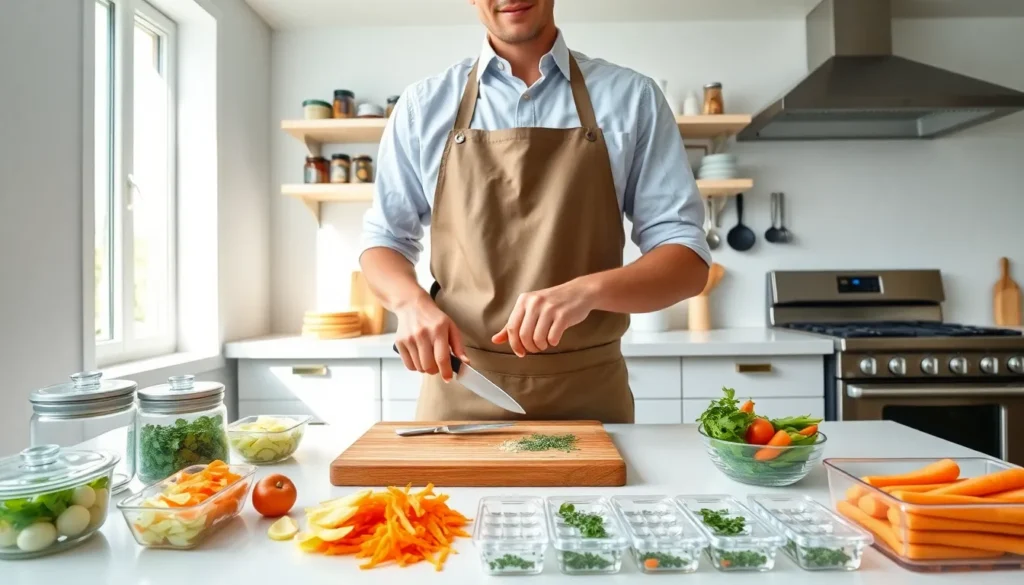
Kitchen hacks for beginners can transform cooking from a frustrating chore into an enjoyable routine. New cooks often waste time, ingredients, and energy because they lack basic techniques. The good news? A few smart strategies can change everything.
This guide covers essential skills that make a real difference in the kitchen. From knife techniques to storage solutions, these kitchen hacks for beginners will save hours each week. They’ll also reduce food waste and help anyone cook with more confidence. No fancy equipment required, just practical knowledge that works.
Table of Contents
ToggleKey Takeaways
- Kitchen hacks for beginners can save 20-30 minutes daily through smart prep strategies like batch-prepping vegetables on weekends.
- Mastering the pinch grip and claw technique keeps fingers safe while improving knife control and cutting speed.
- Freezing herbs in olive oil cubes, storing greens with paper towels, and labeling all containers dramatically reduces food waste.
- Cooking shortcuts like salting pasta water generously, resting meat, and toasting spices deliver restaurant-quality results at home.
- Organizing your kitchen into functional zones and keeping counters clear makes cooking faster and more enjoyable.
- These kitchen hacks for beginners require no fancy equipment—just practical knowledge that transforms cooking from a chore into a confident routine.
Essential Knife Skills and Cutting Techniques
Good knife skills form the foundation of efficient cooking. Beginners who master basic cuts prepare meals faster and safer.
Hold the Knife Correctly
Grip the knife handle with three fingers while pinching the blade between thumb and forefinger. This “pinch grip” offers better control than wrapping all fingers around the handle. It feels awkward at first but becomes natural within a week of practice.
Learn the Claw Technique
The non-cutting hand needs protection. Curl fingertips under and press knuckles against the flat side of the blade. This kitchen hack for beginners prevents cuts while guiding the knife. The blade moves against the knuckles, not toward exposed fingers.
Master Three Basic Cuts
Dice: Cut food into uniform cubes. Start with strips, then turn and cut across to create squares. Uniform pieces cook at the same rate.
Julienne: Create thin matchstick strips. Cut food into 2-inch sections, slice into thin planks, then stack and cut into strips.
Chiffonade: Stack leafy herbs or greens, roll them tightly, and slice across the roll. This produces thin ribbons perfect for garnishes.
Keep Knives Sharp
Dull knives cause more injuries than sharp ones. They slip instead of cutting cleanly. Use a honing steel before each cooking session. Sharpen blades professionally once or twice per year. A sharp knife is the most important kitchen hack for beginners to embrace.
Time-Saving Prep and Storage Hacks
Smart prep work cuts cooking time dramatically. These kitchen hacks for beginners turn hour-long meal prep into quick sessions.
Batch Prep Vegetables
Wash, chop, and store vegetables for the entire week on Sunday. Keep cut onions, peppers, and carrots in airtight containers. Most prepped vegetables last 5-7 days when stored properly. This single habit saves 20-30 minutes daily.
Use the Freezer Strategically
Freeze herbs in olive oil using ice cube trays. Each cube provides a ready-to-use flavor base for cooking. Freeze overripe bananas for smoothies. Store leftover tomato paste in tablespoon portions on parchment paper, then transfer to freezer bags.
Store Greens with Paper Towels
Line salad containers with paper towels. The towels absorb excess moisture that causes wilting. Replace towels every few days. This kitchen hack for beginners extends lettuce life from days to weeks.
Prep Garlic and Ginger in Bulk
Peel an entire head of garlic at once. Place cloves in a jar, seal it, and shake vigorously for 30 seconds. The skins separate easily. Mince the garlic and store in olive oil for up to two weeks. Grate fresh ginger and freeze in flat portions for instant access.
Label Everything
Date all containers and freezer bags. Memory fails, and mystery containers multiply. A permanent marker solves this problem immediately.
Cooking Shortcuts That Actually Work
Some kitchen hacks for beginners sound gimmicky but deliver real results. Others waste time. Here are shortcuts that actually improve cooking.
Salt Pasta Water Generously
Pasta water should taste like the sea. Most beginners under-salt dramatically. Properly seasoned water flavors pasta from the inside. This can’t be fixed after cooking.
Let Meat Rest
Remove meat from heat 5 degrees before target temperature. Residual heat continues cooking. Rest meat for 5-10 minutes before cutting. Juices redistribute throughout the meat instead of pooling on the cutting board.
Toast Spices Before Using
Dry spices bloom in a hot pan. Toast them for 30-60 seconds until fragrant. This releases essential oils and deepens flavor. It transforms ordinary dishes into restaurant-quality meals.
Use Room Temperature Ingredients
Cold eggs and butter don’t incorporate well into batters. Remove dairy and eggs from the refrigerator 30 minutes before baking. Room temperature ingredients blend smoothly and produce better textures.
Save Pasta Water
Scoop out a cup of starchy pasta water before draining. Add it to sauces for better consistency. The starch helps sauce cling to pasta. This kitchen hack for beginners transforms thin sauces into silky coatings.
Deglaze Pans Immediately
Those brown bits stuck to the pan after searing? That’s flavor. Add wine, broth, or water while the pan is hot. Scrape the bottom to release the fond. Instant sauce base.
How to Organize Your Kitchen for Efficiency
Kitchen organization affects cooking speed more than most people realize. These kitchen hacks for beginners create systems that last.
Create Cooking Zones
Group items by function. Store cutting boards, knives, and prep bowls near the main work surface. Keep oils, spices, and cooking utensils beside the stove. Place baking supplies together in one cabinet. This reduces walking and searching during cooking.
Use Vertical Space
Install hooks under cabinets for mugs and utensils. Add shelf risers inside cabinets to double storage capacity. Hang pots from a ceiling rack or wall mount. Vertical storage frees counter space for actual cooking.
Keep Counters Clear
Only frequently used items deserve counter space. The toaster, coffee maker, and knife block earn their spots. Occasional-use appliances belong in cabinets. Clear counters make cooking easier and cleanup faster.
Carry out the “First In, First Out” Rule
Place newer groceries behind older ones. This system ensures nothing expires forgotten in the back of the refrigerator. It reduces food waste and saves money.
Store Items at Point of Use
Pot holders belong near the oven. Dish soap stays by the sink. Snacks live in an accessible spot. Every item should have a logical home based on where it gets used. This kitchen hack for beginners eliminates daily frustration.


