
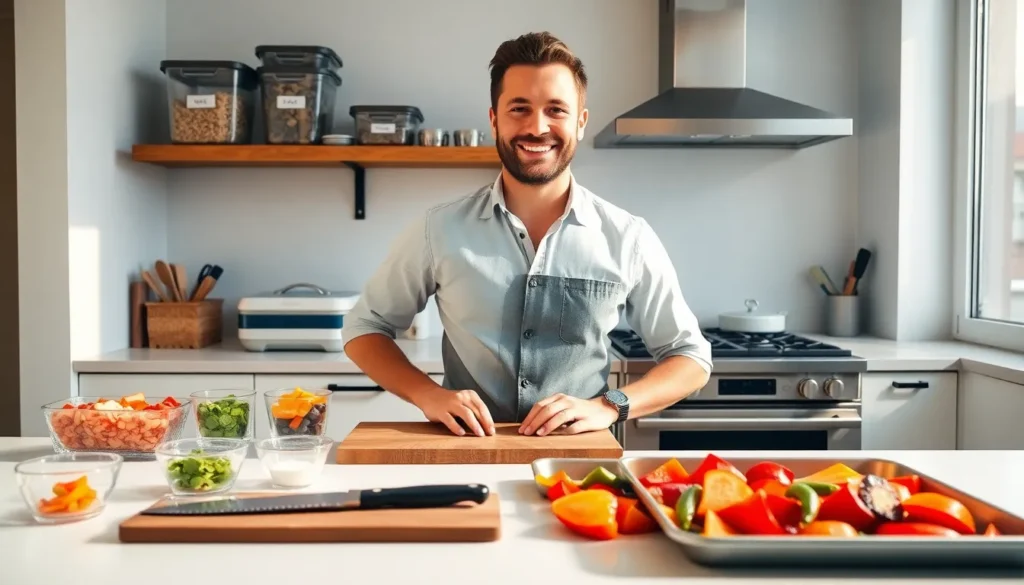
Kitchen hacks strategies can transform how people cook, prep, and store food at home. The average home cook spends over an hour each day preparing meals. That time adds up fast. With the right techniques, they can cut prep time in half and reduce kitchen stress significantly.
This guide covers practical kitchen hacks strategies that work for busy weeknights and relaxed weekend cooking alike. From smart prep methods to clever storage solutions, these tips help anyone become more efficient in the kitchen.
Table of Contents
ToggleKey Takeaways
- Kitchen hacks strategies like batch prepping vegetables weekly can save 20-30 minutes per meal.
- Zone your kitchen into prep, cooking, and baking areas to reduce unnecessary movement and speed up workflow.
- One-pan and sheet pan meals simplify cooking and minimize cleanup without sacrificing flavor.
- Store fresh herbs in water like flowers—parsley and cilantro can last up to two weeks this way.
- Keep counters clear and organize cabinets with stackable, labeled containers for a more efficient kitchen.
- Freeze ripe produce, vegetable scraps, and leftover wine to reduce food waste and save money.
Smart Prep Techniques for Faster Meal Preparation
Prep work often takes longer than actual cooking. Smart kitchen hacks strategies for prep can save 20-30 minutes per meal.
Batch Prep Ingredients Weekly
Chopping vegetables once for multiple meals makes sense. On Sunday, they can dice onions, mince garlic, and slice peppers for the entire week. Store these prepped ingredients in airtight containers. They stay fresh for 4-5 days in the refrigerator.
Garlic deserves special attention here. Peeling individual cloves wastes time. Instead, break apart a whole head, place cloves in a jar with a lid, and shake vigorously for 30 seconds. The skins separate easily.
Use the Right Tools
A sharp knife cuts prep time dramatically. Dull blades slow everything down and create safety risks. Professional chefs sharpen their knives weekly. Home cooks should do the same.
Mandoline slicers create uniform cuts in seconds. They work perfectly for cucumber salads, potato gratins, and coleslaw. Kitchen shears also speed up tasks, they cut herbs, bacon, and pizza faster than knives.
Master Mise en Place
French chefs call it “mise en place”, putting everything in its place before cooking starts. This kitchen hacks strategy prevents mid-recipe scrambling. Measure all ingredients first. Arrange them near the stove. Cooking flows smoothly when everything sits within arm’s reach.
Organization Hacks to Keep Your Kitchen Efficient
An organized kitchen makes cooking faster and more enjoyable. These kitchen hacks strategies focus on smart arrangement and accessibility.
Zone Your Kitchen
Professional kitchens use zones for good reason. They work. Create a prep zone near the cutting board with knives, bowls, and measuring tools. Set up a cooking zone by the stove with oils, spices, and utensils. Keep a baking zone stocked with flour, sugar, and mixing equipment.
This approach reduces walking back and forth. Everything needed for each task stays together.
Optimize Cabinet and Drawer Space
Stackable containers save cabinet space. Clear containers let cooks see contents at a glance. Label everything with the contents and date.
Drawer dividers keep utensils organized. Group similar items together, all spatulas in one section, whisks in another. Magnetic strips mounted inside cabinet doors hold small metal items like measuring spoons.
Keep Counters Clear
Clutter slows cooking. Only items used daily deserve counter space. The coffee maker stays. The bread machine used twice a year goes in a cabinet.
A clean counter provides workspace for prep and plating. It also makes cleanup faster after meals.
Clever Cooking Shortcuts for Everyday Meals
These kitchen hacks strategies speed up actual cooking time without sacrificing flavor or quality.
One-Pan and Sheet Pan Meals
One-pan cooking reduces dishes and simplifies cleanup. Proteins and vegetables cook together on a single sheet pan. The oven does most of the work.
For best results, cut vegetables to similar sizes. Add quick-cooking items like cherry tomatoes later in the process. Season everything generously with olive oil, salt, and pepper.
Boiling Water Faster
Waiting for water to boil wastes time. Start with hot tap water, it reaches boiling point faster. Cover the pot with a lid to trap heat. Adding salt after the water boils prevents pitting on stainless steel pots.
Revive Stale Bread and Wilted Greens
Stale bread becomes fresh again with a quick trick. Run the loaf under water briefly and bake at 350°F for 10 minutes. The crust crisps up perfectly.
Wilted lettuce and herbs perk up in ice water. A 15-minute soak restores crispness. These kitchen hacks strategies save food and money.
Ripen Fruit Quickly
Bananas and avocados ripen faster in a paper bag. The bag traps ethylene gas, which speeds up the process. Adding an apple to the bag accelerates ripening even more.
Storage Solutions to Reduce Food Waste
Proper storage extends food life significantly. These kitchen hacks strategies help families waste less and save money.
Store Herbs Correctly
Fresh herbs die quickly in plastic bags. Treat them like flowers instead. Trim stems and place herbs in a glass of water. Cover loosely with a plastic bag and refrigerate. Parsley and cilantro last two weeks this way.
Basil prefers room temperature. Store it on the counter in water, away from direct sunlight.
Freeze Strategically
Freezing prevents waste when fresh ingredients pile up. Freeze ripe bananas for smoothies. Freeze vegetable scraps for homemade stock. Freeze leftover wine in ice cube trays for cooking.
Label everything with contents and date. Most frozen foods maintain quality for 3-6 months.
Understand Produce Storage
Some produce belongs in the refrigerator. Some doesn’t. Tomatoes lose flavor when chilled, keep them on the counter. Potatoes and onions store best in cool, dark places, but not together. Onions release gases that speed up potato sprouting.
Apples produce ethylene gas that ripens other produce quickly. Store them separately from other fruits and vegetables.
Use Airtight Containers
Air exposure causes food to spoil faster. Transfer opened packages to airtight containers. Glass containers work well and don’t absorb odors like plastic.


