

When it comes to dental procedures, the mention of a root canal can send shivers down anyone’s spine. But fear not! This essential treatment is actually a hero in disguise, saving teeth from the brink of disaster. A root canal involves removing infected tissue from the tooth’s interior, allowing it to live to chew another day. Think of it as a dental rescue mission—complete with a crown to top it off!
Understanding Root Canals
A root canal is a dental procedure aimed at treating infected or damaged pulp inside a tooth. This treatment prevents further complications and saves the tooth from extraction.
What Is a Root Canal?
Root canal therapy involves the removal of the tooth’s pulp. Infected or inflamed tissue is accessed through the tooth’s crown, and the cleaning process begins. After removing the pulp, the space gets disinfected and shaped before filling it with a biocompatible material. This procedure restores the tooth’s integrity while preventing future issues related to infection. Patients often report significant relief from pain after treatment.
Purpose of a Root Canal
The primary purpose of a root canal is to eliminate infection. By doing so, it saves the natural tooth structure, which is crucial for maintaining proper oral function. Preservation of the tooth aids in chewing and speaking, contributing to overall health. Additionally, root canals protect surrounding teeth from shifting or alignment issues that can occur when a tooth is lost. Overall, this procedure plays a vital role in dental care, ensuring ongoing tooth health.
The Crown Explained
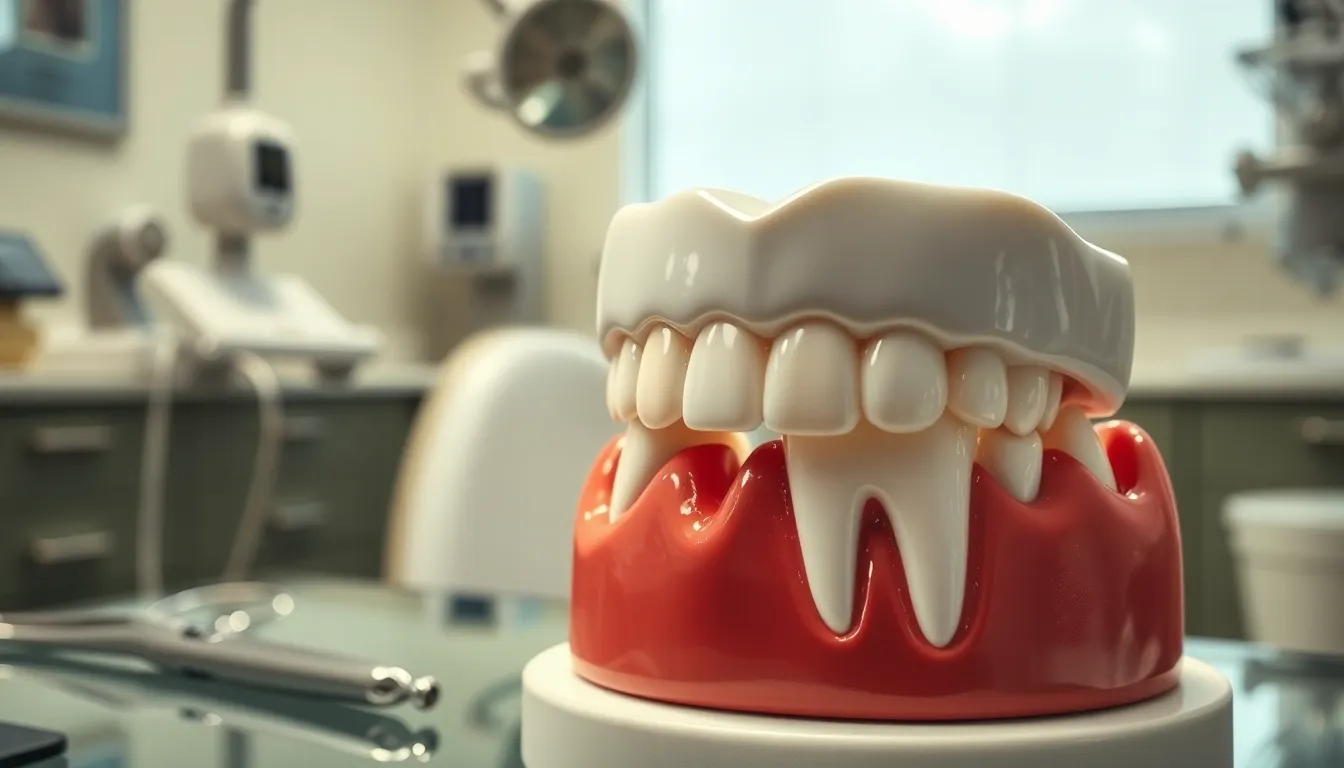
A dental crown is a cap placed over a tooth, restoring its shape, size, and function. This restoration is crucial after a root canal, as it protects the treated tooth from further damage.
What Is a Dental Crown?
A dental crown encases the entire visible portion of a tooth. It helps restore strength and provides protection after significant dental procedures like a root canal. Crowns improve aesthetics and functionality by covering imperfections and maintaining the tooth’s position within the mouth. They play a key role in dental health by protecting vulnerable tooth structures from fractures and wear.
Types of Dental Crowns
Various types of dental crowns exist, each designed for specific needs. Porcelain crowns are commonly used for their natural appearance, blending seamlessly with surrounding teeth. Metal crowns provide exceptional strength and are often recommended for molars where pressure from chewing is greatest. Zirconia crowns combine durability and aesthetic appeal, making them an attractive option. Resin crowns are less costly but may wear down more quickly, making them ideal for temporary use. Understanding these options allows individuals to choose an appropriate type based on their particular dental situation.
The Root Canal Procedure
A root canal procedure involves several key steps that ensure effective treatment of infected or damaged tooth pulp.
Steps Involved in a Root Canal
- Diagnosis: A thorough examination, often with X-rays, identifies the extent of the infection.
- Anesthesia: Local anesthesia numbs the tooth and surrounding area, minimizing discomfort during the procedure.
- Access Opening: The dentist creates an opening in the tooth’s crown to reach the pulp chamber.
- Cleaning and Disinfecting: The dentist removes infected pulp tissue and cleans the root canals with disinfectants.
- Filling: After cleaning, biocompatible material fills the canals to seal them and prevent future infection.
- Temporary Crown: A temporary crown covers the tooth until a permanent crown can be placed.
Recovery and Aftercare
Recovery from a root canal typically involves minimal discomfort, often manageable with over-the-counter pain relievers. Patients may notice sensitivity for a few days, especially to hot or cold temperatures.
Following the procedure, practicing good oral hygiene is crucial. Regular brushing and flossing help maintain the health of the treated tooth. Scheduling a follow-up appointment ensures the tooth is healing properly. A dental crown usually gets placed within a few weeks to provide lasting protection and restore function.
The Benefits of Root Canals and Crowns
Root canals and crowns provide significant benefits for dental health and overall well-being. These procedures work together to ensure tooth longevity and proper function.
Enhancing Oral Health
Root canals eliminate infection within the tooth, promoting better oral health. Following the procedure, the risk of further complications decreases, preserving the natural tooth’s structure. A tooth without infection helps maintain proper jaw alignment and prevents the shifting of surrounding teeth. Crowns protect the treated tooth from damage, ensuring it withstands regular biting and chewing forces. They also enable the tooth to function effectively alongside neighboring teeth. Preservation of natural teeth through these treatments minimizes reliance on dentures or implants.
Aesthetic Improvements
Crowns enhance the appearance of previously damaged or infected teeth. Patients often choose porcelain crowns for a natural look that blends seamlessly with existing teeth. Alongside aesthetics, crowns can bolster confidence by addressing visible imperfections. Improved shape and size can restore a balanced smile, resulting in positive social interactions. Individuals can select materials based on personal preferences, allowing for customized solutions that align with their needs. Enhanced aesthetics contribute to overall satisfaction with dental health, making root canals and crowns vital components in restorative dentistry.
Root canals and crowns are essential procedures in restorative dentistry that significantly enhance dental health. By addressing infections and preserving natural teeth, they prevent further complications and maintain proper oral function. The placement of a crown after a root canal not only protects the tooth but also restores its appearance and strength.
Patients can enjoy improved comfort and confidence following these treatments. With proper aftercare and regular dental check-ups, individuals can ensure their teeth remain healthy and functional for years to come. Embracing these procedures can lead to a better quality of life and a brighter smile.


